Essay
The Battle for the Soul: Reclaiming Our Attention
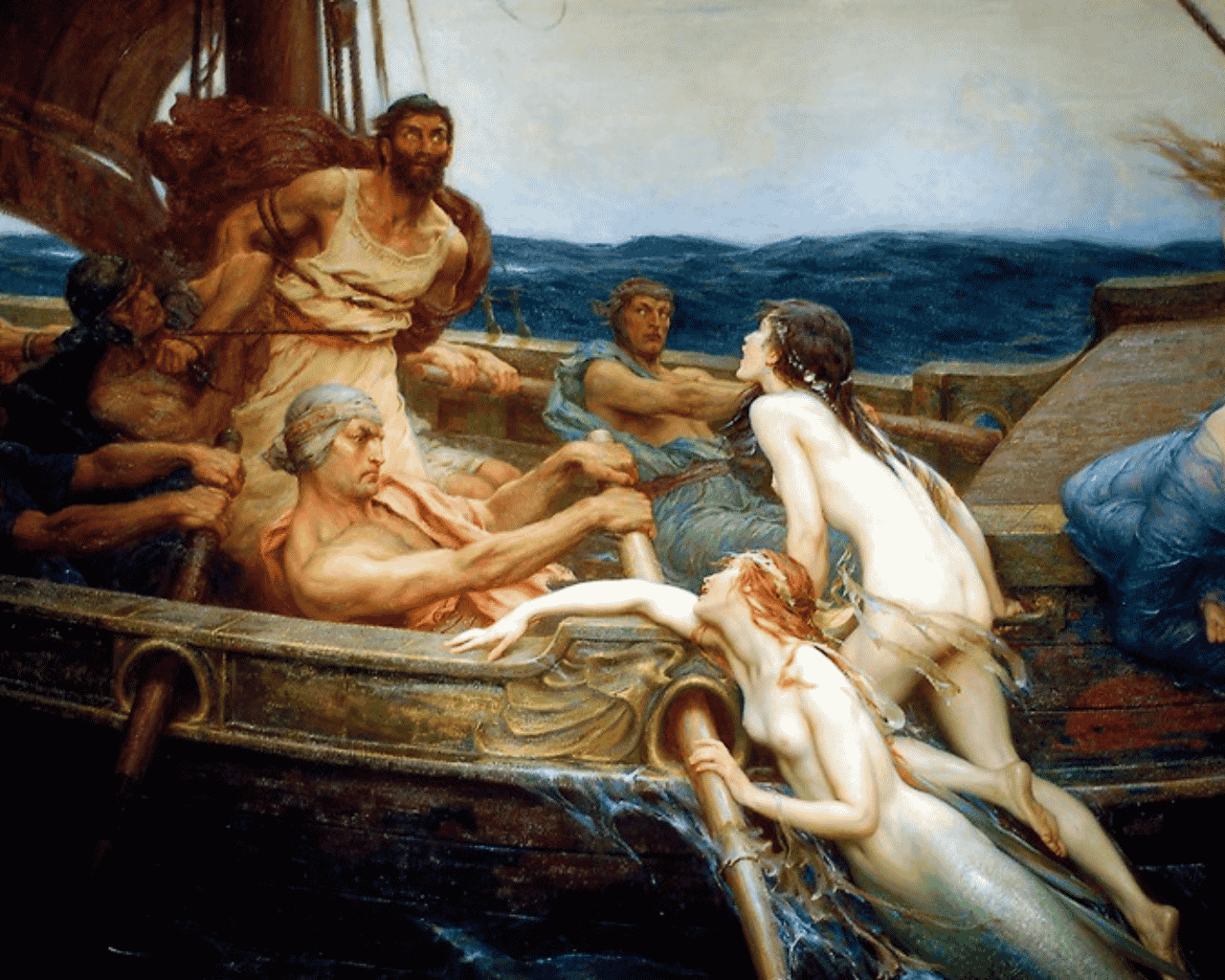
I sometimes hear people speak of a “battle for the soul.” Traditionally, this evokes a religious struggle between good and evil, salvation and damnation. But I have gradually come to understand the phrase in a more immediate and personal way: as a battle for my attention.
I notice how difficult it has become to leave my attention undisturbed. Social media platforms, news outlets, advertisers and countless apps are all competing for it. Their business models depend on keeping me watching, scrolling and reacting for as long as possible.
But I have started to wonder whether what I give away is more than my time. Attention is the gateway to consciousness. What I repeatedly look at enters my inner world. It shapes what I desire and fear, what I consider important and, eventually, how I experience myself and the world around me.

This does not mean that I regard films, social media or popular culture as inherently harmful. They can entertain me, move me and introduce me to ideas I would otherwise never encounter. The question I increasingly ask myself is whether I am consciously choosing where my attention goes, or whether that choice is being made for me.
Between impulse and reaction
For me, the difference becomes most visible in moments of tension, boredom or discomfort.
When something feels unsettled inside me, I often feel the impulse to reach for my phone. I start scrolling without having made a conscious decision to do so. When I am bored, I watch shorts. When I feel anxious, I check the news, although the news usually makes me more anxious rather than less. And when I feel lonely, I sometimes look for the brief reassurance of a message, a like or some other sign that I am still connected to the world.
None of these actions seems particularly significant. There is nothing dramatic about opening an app or watching another episode. But together, they can create a way of living in which almost every inner movement is discharged before I have had the chance to experience it fully or understand what it is trying to tell me.
I have come to suspect that the battle for the soul takes place precisely in this small space between impulse and reaction. And it is here that the battle for my attention connects with what I described in my essay The Alchemy of Change.
The alchemy of attention
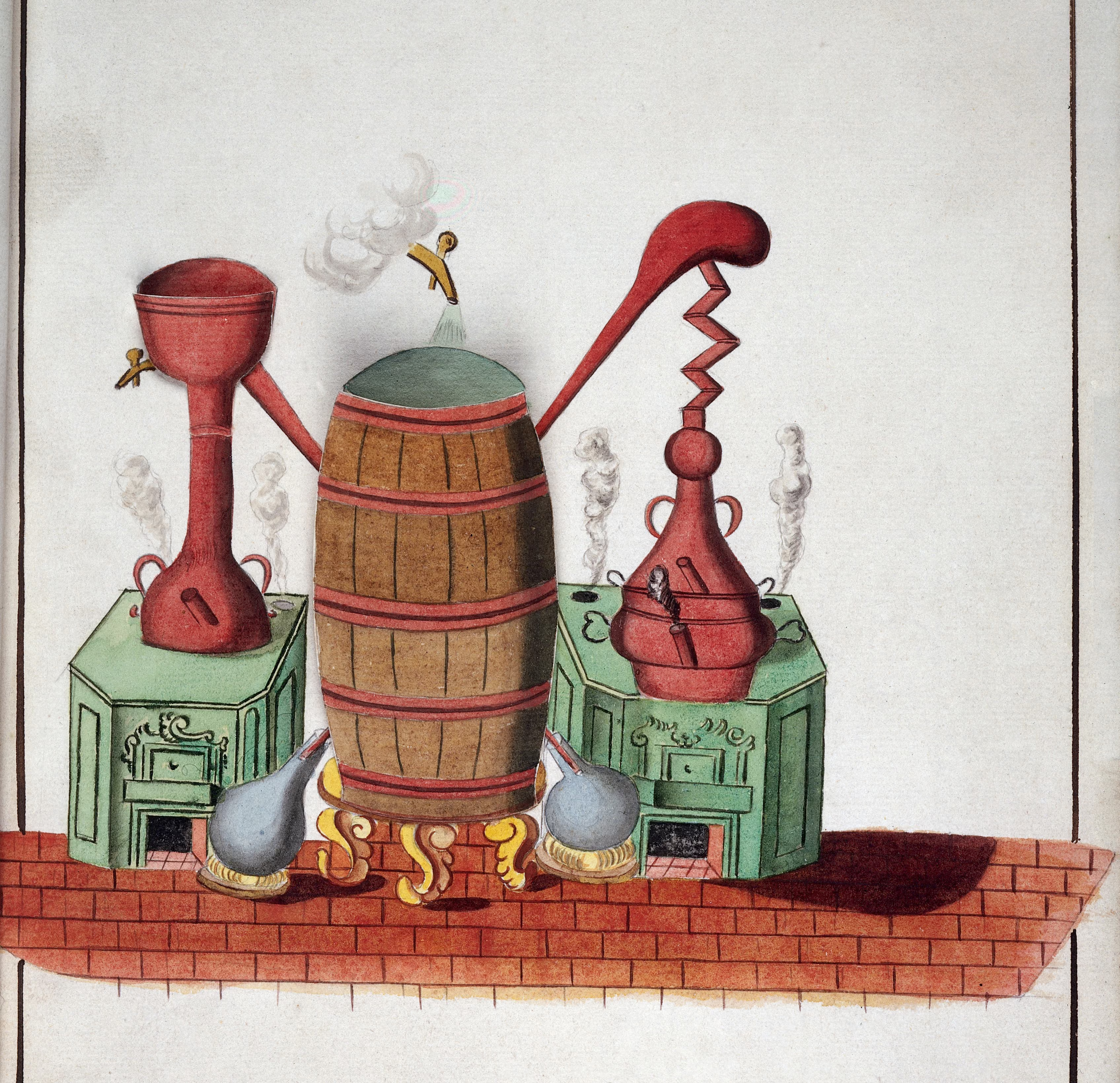
In alchemical language, the athanor is the furnace in which transformation takes place. Psychologically, I understand it as the inner capacity to hold tension without immediately releasing it. Restlessness, desire, fear and emotional pressure may not simply be problems that I need to eliminate. They may also be the prima materia: the raw material of transformation.
But transformation requires attention.
If I immediately dissolve every uncomfortable feeling in food, entertainment, scrolling or stimulation, the raw material does not remain in the vessel long enough to change. The energy escapes. I may experience temporary relief, but nothing has really been transformed.
The battle for the soul takes place precisely in this small space between impulse and reaction.
In this way, energies that might become awareness, creativity or presence are redirected into clicks, views and consumption. I doubt this happens because some single, malicious force is trying to capture my soul. It seems more likely that entire systems have learned how to profit from my difficulty in remaining present with myself.
My own place in the attention economy
I am not outside this system. I create content myself, and I want people to click, watch, read and return. My work also depends on their attention in order to grow. So perhaps I, too, benefit from our difficulty in allowing our minds to be still. That is an uncomfortable thought.
But what matters to me is what my content does with people’s attention once it has it. Does it keep them consuming, or does it return them to themselves? Does it leave them more distracted, or more conscious of what is taking place within them?
I cannot assume that my own work always does the latter. But I can remain aware of the responsibility that comes with asking for someone else’s attention.
Reclaiming the freedom to choose
The battle for the soul is therefore not simply a battle between “good” and “bad” content. Nor do I see it as a call to withdraw from modern life. For me, it is a struggle over what determines the direction of my consciousness.
Can I remain present when an impulse arises? Can I observe before I react? Can I resist giving that energy away before I have discovered what it might contain?
I do not always succeed. Often, I still find myself holding my phone before I have even noticed the desire to escape. But perhaps protecting the soul does not begin with perfect discipline. Perhaps it begins with becoming aware of these moments and slowly reclaiming the freedom to choose.
Not by closing myself off from the world, but by becoming more conscious of what I allow to enter me and of what my awareness might become if I stopped giving it away so easily.
Header image: Ulysses and the Sirens

Subscribe to the MarcoToday newsletter
and join the conversation.